Primary use case
VerifiedAI video generation can produce brand-quality promotional clips in minutes rather than weeks, suitable for social media, landing pages, and pitch decks
Creating promotional videos with AI models like HappyHorse can dramatically speed up brand marketing workflows, from concept to finished clip, though quality review and post-production remain essential.
Key facts
AI video generation can produce brand-quality promotional clips in minutes rather than weeks, suitable for social media, landing pages, and pitch decks
AI models can generate mood-driven cinematic sequences that support brand narratives, though maintaining exact brand guidelines requires careful prompting and review
HappyHorse's reported 1080p output and cinematic quality make it a plausible tool for promo content, but real-world brand promo results have not been widely published
Get 50+ tested AI video prompts, comparison cheat sheets, and workflow templates delivered to your inbox.
Mixed signal
Use case guidance is based on general AI video capabilities. Specific HappyHorse results may vary.
Readers should expect careful wording here because public reporting confirms the topic, while some product details still need cautious treatment.
Product promotional videos are one of the most practical applications for AI video generation. The combination of short duration, visual focus, and high volume demand makes promo content a natural fit for tools like HappyHorse.
Traditional promotional video production follows a predictable pattern: brief the agency, schedule the shoot, wait for editing, request revisions, wait again. The typical timeline is 2-6 weeks and the typical cost is $2,000 to $20,000 per finished video.
AI video generation compresses this into a different workflow:
This does not eliminate the need for creative direction. It changes where creative energy is spent: less on logistics, more on ideas.
The most effective promotional videos tell a micro-story. AI video generation supports several storytelling structures:
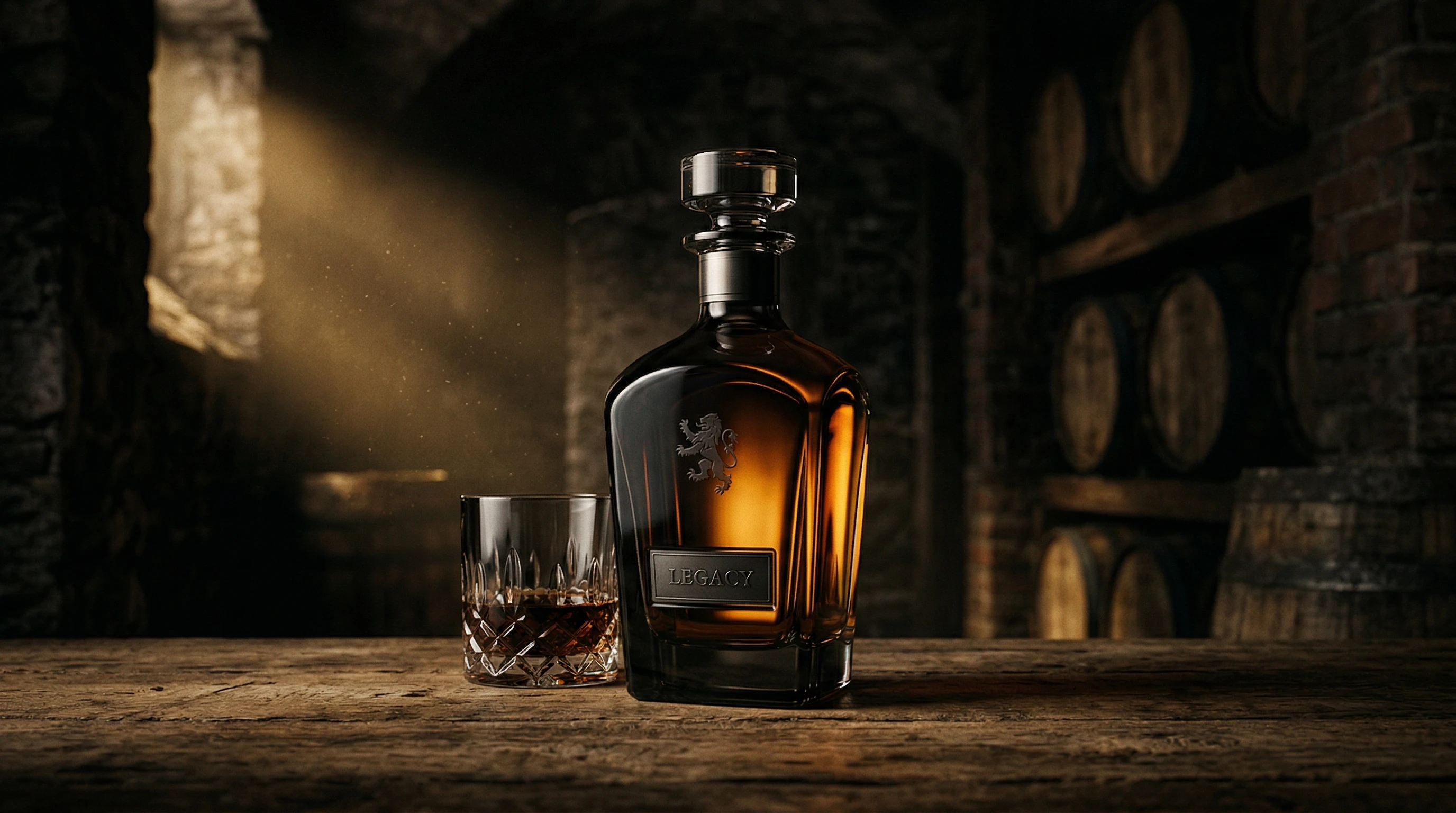
A single product presented with cinematic gravity. Think Apple-style reveals: dramatic lighting, slow camera movement, minimal environment. AI excels here because the visual language is well-established and the scene complexity is low.
Prompt approach: "A [product] emerging from shadow into soft warm spotlight, slow push-in camera, dark background, premium minimal aesthetic, shallow depth of field, 8 seconds"
The product placed in a desirable context. A sneaker on a rain-slicked city street. A skincare bottle on a spa-like marble surface. The product is part of a world the viewer wants to inhabit.
Prompt approach: "A [product] placed naturally in [aspirational environment], golden hour light, gentle camera drift, lifestyle editorial mood, warm color palette, 6 seconds"
Before and after, problem and solution. AI can generate stylized transitions that communicate transformation without requiring real footage.
Prompt approach: "Split-screen transition from [problem state] to [solution state with product], smooth morph effect, clean modern aesthetic, bright optimistic lighting, 5 seconds"
No product in frame at all, just atmosphere that represents the brand. Useful for brand awareness campaigns where emotion matters more than product features.
Prompt approach: "Slow aerial shot over [landscape matching brand mood], [time of day], cinematic color grade, contemplative pace, subtle camera tilt, brand film aesthetic, 10 seconds"
Good promo video prompts share common DNA. Here is a formula:
The more specific you are about camera movement and lighting, the more cinematic the result tends to be. Vague prompts produce generic output.
For teams producing promo content at scale, here is a repeatable pipeline:
Honest assessment of current limitations:
For specific prompt templates, see product video prompts. To understand the broader AI video landscape, check what is HappyHorse or explore ad creative workflows.
This website is an independent informational resource. It is not affiliated with HappyHorse or its creators. Use case guidance reflects general AI video capabilities, and specific results with any model may vary.
FAQ
For social media and digital channels, AI-generated promos are increasingly competitive. For broadcast TV or premium placements, professional production still has a quality edge, especially for precise brand control and talent integration.
Build a prompt library with your brand colors, mood descriptors, camera style preferences, and lighting direction. Use these as a base template and swap in product-specific details. Post-production color grading can further align AI output with brand guidelines.
Short-form clips between 5 and 15 seconds tend to produce the most consistent AI results. Longer promos can be assembled by stitching multiple AI-generated clips together with transitions and voiceover.
Recommended tool
Powered by Elser.ai.
Try AI Image Animator